Aznain Hameed
Oct 15, 2026
Learn about EV charging safety in Pakistan, including safe home charger installation, precautions during rain, battery overheating prevention, electrical safety, and essential charger maintenance tips
As we see an increase in the use of electric vehicles, EV charging safety in Pakistan is important for drivers to pay attention to safety while charging at home, in apartment buildings, or at public stations. Use of appropriate equipment, proper maintenance of electrical connections, and adherence to the manufacturers’ instructions will help to reduce the risk of electric shock, fire and overheating.
If you are buying an EV in Pakistan plan for safety of the charging process as well as the driving range and cost out. Also you may wish to go through our guide for EV charging stations in Pakistan which will brief you on how to find charge points and check their availability.
How to Charge an Electric Car Safely
Following basic electric vehicle charging safety measures will protect your car, home, and family. Be sure to use the info in your vehicle and charger manuals, and that you have the proper equipment for your particular model.
Before charge inspect the cable, plug, connector, and charging inlet. Do not use equipment which has exposed wires, cracks, burn marks or any visible damage. Connect and disconnect the charger via the connector handle which is provided, do not pull the cable.
These electric car charging safety tips are of great importance which is due to voltage fluctuations, older home wiring, dust, and extreme summer temperatures we see to have an extra impact.
Safe Home EV Charger Installation
A safe home EV charger installation is a task for a licensed electrician which will include an assessment of your home’s electrical systems and the installation of a proper dedicated circuit along with the appropriate protective devices and earthing.
Do not connect high power charges to improper sockets or use of extension cords, multiplexers or ad hoc wiring is advised against. Have a professional check that the wiring, circuit protection and charger are up to code.
Proper EV charger installation safety includes choosing a free area for the cable that is far from trips and out of vehicles’ way. Also follow the equipment manufacturers’ recommendations on ventilation, clearance, and protective measures.
How to Charge an EV at Home Safely
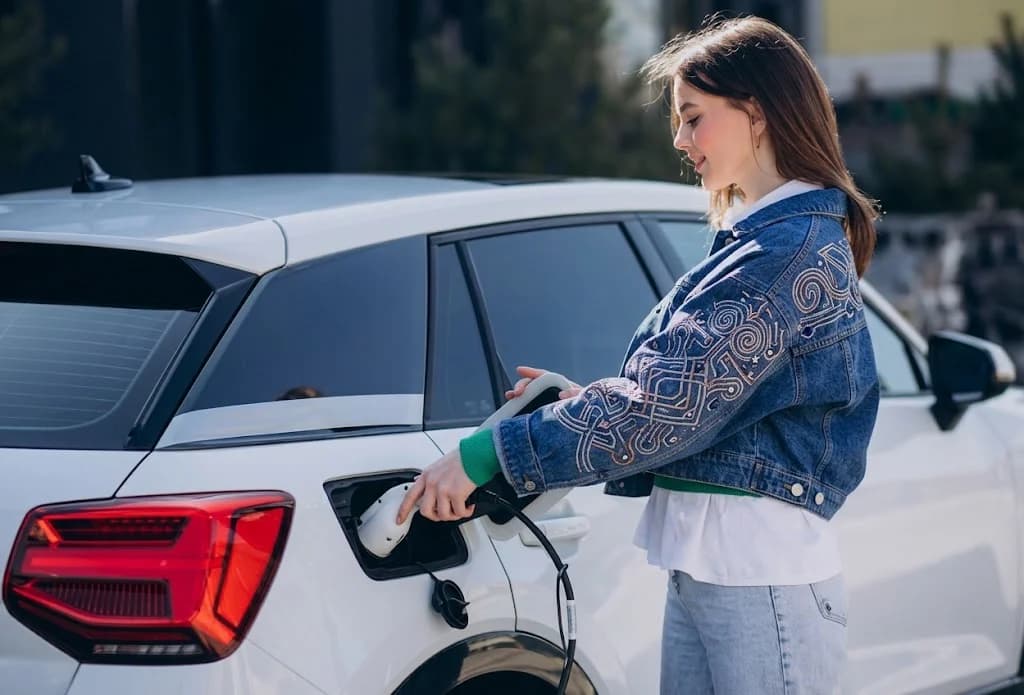
For safe electric vehicle charging at home during charging, park in a good location, use an approved charger, and keep children away from the equipment. Do not charge in spots where cables may be run over, exposed to standing water, or which get damaged by everyday use.
If you are in the market for an electric car home charger we recommend that you get one which is compatible with your car and also have a professional install it. This will make the process of how to charge an EV at home safely and a seamless part of your daily routine.
Can I Charge an Electric Car in the Rain?
Surely in most cases. We have devices which are made for outdoor use in the EV charging field that are designed to weather what the elements throw at them. But also it is up to the user to see to it that connectors and electrical components are used within the rated parameters and in accordance with the manufacturers’ instructions.
Never use wet hands when handling plugs or stand in water while you connect or disconnect equipment. Also do not charge if a connector, cable, or charging inlet is damaged, flooded, or has water in it.
During monsoon in Pakistan, do not use machinery that has been flooded out or shows signs of damage. Should you see any electrical components which may have taken in water, turn them off and report to a professional technician.
Electric Vehicle Battery Safety and Overheating
Electric vehicle battery safety is a result of the vehicle’s battery management system, correct charging equipment, and proper maintenance. Also out of the question are unauthorized battery modifications, damaged charging accessories, and repairs by unqualified technicians.
If you see atypical heat, a smell of burning, smoke, hiss, or a warning from the battery if it is safe do so stop charging. At the sign of smoke or fire keep away from the vehicle and call emergency services. Do not touch high voltage parts.
Electric car battery overheating should never be ignored. Follow what the car company says to do in an emergency and take your vehicle to an authorized service center before you charge it up again.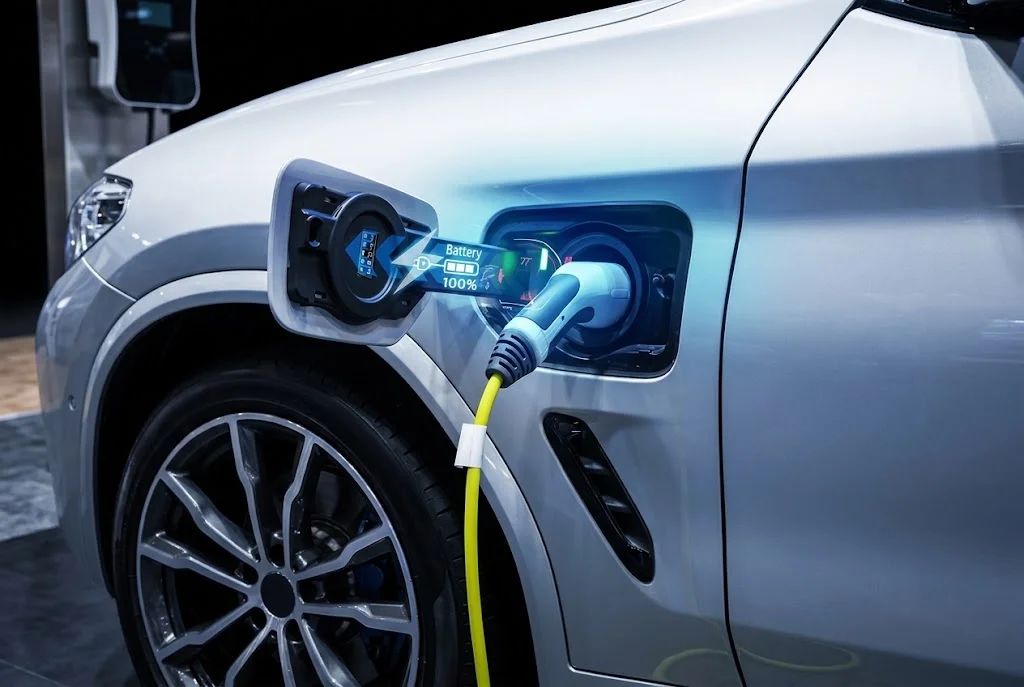
EV Charger Safety Inspection and Maintenance
An EV charger safety inspection should include cables, plugs, connectors, mounting, electrical protection, and signs of overheating or physical damage. Follow up with professional inspections as per the manufacturer’s recommendations and local requirements.
Regular electric vehicle charging maintenance reports issues before they turn into safety hazards. Also keep the equipment as per instructions, protect connectors from contamination, do not open or repair electrical components yourself.
In the area of commercial charging stations NEECA puts out the regulations which cover charging infrastructure, inspection and maintenance. Owners should refer to the applicable requirements for their install.
How to Choose a Safe Home EV Charger
When considering how to choose a safe home EV charger, look at the compatibility with your car, product certification, manufacturer support, installation requirements, and what safety protections are available. Also do not base your decision on price.
The right electric vehicle charging equipment safety measures suitable circuit protection, proper earthing, and installation by a certified professional is what we put in for safe electric vehicle charging. Also ask the installer to go over the system with you and to supply installation or inspection reports.
Before you hit the road for that long trip use our guide for EV charging stations in Pakistan to plan out your stops. If you are in the market for buying an EV in Pakistan also go over the charging options and warranty terms before you buy.
Final Thoughts
Safe for EV ownership is to have compatible equipment, professional installation, regular inspection, and careful charging practices. Do not ignore warning messages, atypical heat, or signs of water damage.
When it comes to choosing between different vehicles, look at what we have on Sello and also do a vehicle verification check before you buy a used car. Also we have a how to check driving licence guide out which also includes info on how to check driving licence and what the licensing requirements are for hit the road.
FAQs
1. How safe is electric car charging?
Charging is for the most part safe when you use compatible equipment, follow the manufacturer’s instructions, and see to it that the electrical work is proper and regular.
2. Can I charge an electric car in the rain?
Yes should be that the vehicle and charger are as designed for the situation at hand and by the instructions. Also do not handle connectors with wet hands or use damaged or flooded equipment.
3. How to charge an electric car safely at home?
Use certified chargers which are installed by a qualified electrician, do away with extension cords and multiplugs, check your cables before using them and keep the charging area clear.
4. How often should EV charging equipment be inspected?
Follow the manufacturers’ maintenance schedule and also that of your local area. If you see damage, atypical heat, faults, or repeat charging issues report for service sooner.
5. What should I do if my EV battery overheats while charging?
Stop charging if safe to do so, move away at the sign of smoke or fire, and call in the professionals when you have to. Do not approach high voltage components or put them back in charge until the vehicle is professionally inspected